Blog
Does Mortar Color Really Matter?
by Marcus Turner
Posted on September 2, 2026 6:07 AM
Does Mortar Color Really Matter?
You spent weeks choosing the right brick. Here is why the mortar deserves the same attention.
Mortar can represent anywhere from 15 to 20 percent of the visible surface of a brick wall. That is not a minor detail — it is a significant portion of what people actually see. Choose it last and you may undo everything you carefully chose first.
Walk into almost any showroom and you will find homeowners and builders spending hours on brick selection. Color swatches, texture samples, pattern mockups — all carefully considered. And then mortar color gets picked in about 30 seconds, almost as an afterthought. We understand why it happens. We also see the results of it more than we would like. This post exists to make sure it does not happen to you.
Mortar is the material that holds your brick together — but it is also a design element in its own right. The color you choose will determine how much contrast your wall has, how the individual bricks read against each other, how textured the surface appears, and even how the overall architectural style of your home comes across. Get it right and the brickwork looks intentional and beautiful. Get it wrong and even a great brick can look flat, busy, or just slightly off in a way that is hard to put your finger on.
Here is what you need to know.
The Mortar Color Spectrum
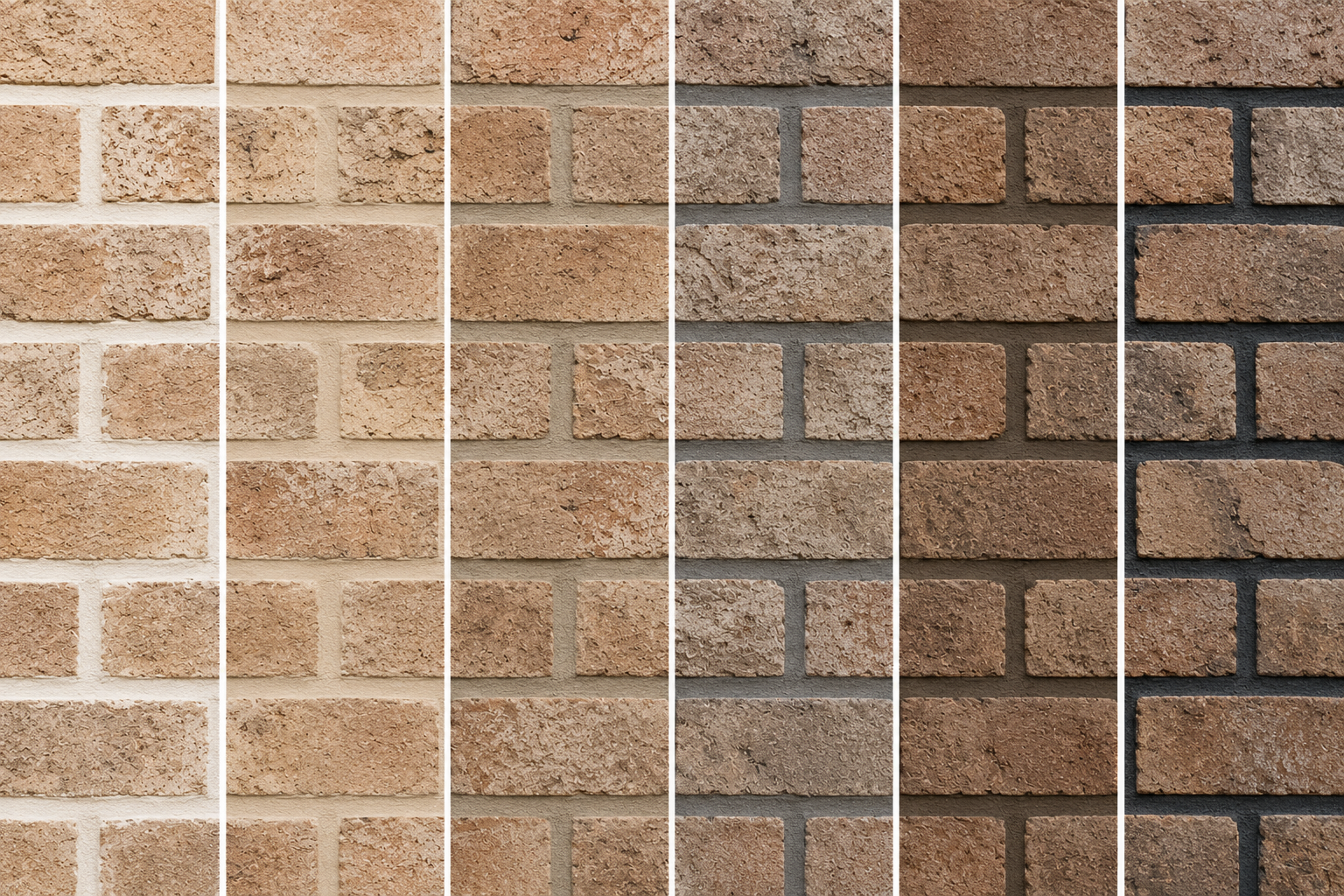
Mortar is available across a wide range of tones — from bright white through cream, buff, sand, gray, brown, and charcoal black. Each range creates a fundamentally different visual relationship with the brick it surrounds.
How Mortar Color Changes What You Actually See
Here is the clearest way to understand the mortar-to-brick relationship: think of mortar as a grid that either calls attention to itself or disappears behind the brick. The more contrast between mortar and brick, the more that grid becomes part of what you see. The less contrast, the more the wall reads as a unified surface rather than individual units.
Neither approach is wrong — they just create fundamentally different visual results. The question is which one serves your design goals.
Five Mortar Approaches and the Looks They Create
When mortar closely matches the tone of the brick, the joints visually recede and the wall reads as a single surface. Individual bricks are still visible, but the pattern is understated — the eye moves across the wall smoothly rather than reading each unit separately.
This approach works beautifully for contemporary and transitional homes where a cleaner, more restrained exterior is the goal. It also suits interiors where you want the warmth of brick without visual busyness — a fireplace surround in a calm, neutral room, for example.
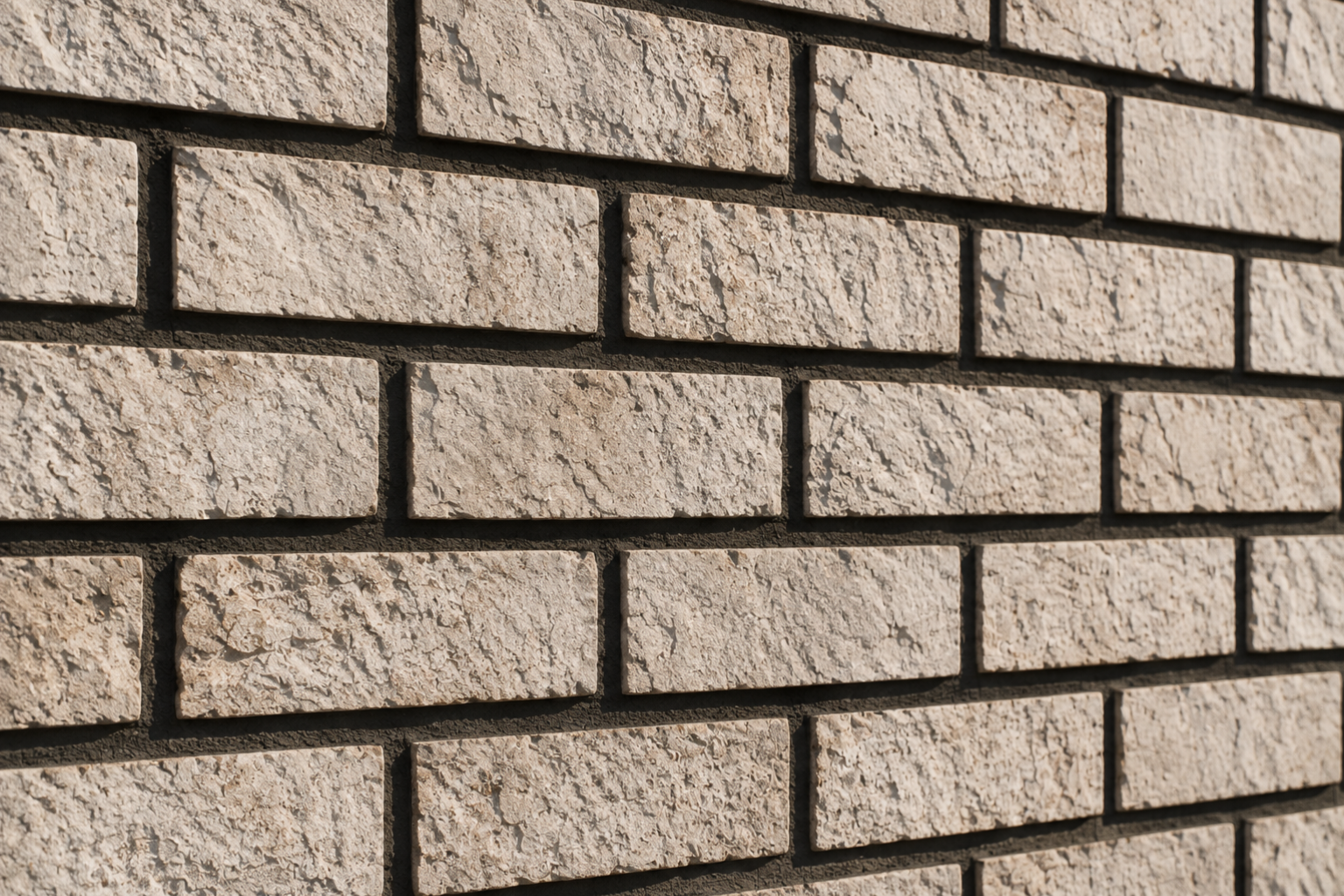
Dark mortar with lighter brick is one of the most striking combinations in masonry. The deep joint color frames each brick unit individually, creating a strong grid pattern and a pronounced sense of depth. Shadow lines are enhanced — particularly in raking light — and the wall takes on a richness that lighter mortar simply does not achieve.
This look suits homes that want a strong, confident presence. It is excellent on contemporary exteriors, on interior accent walls where drama is the point, and on fireplace surrounds where you want the brick to make a real statement.
Mortar is the frame around your brick. Choose it intentionally and it makes the whole picture better. Choose it as an afterthought and it can quietly undermine everything you got right.
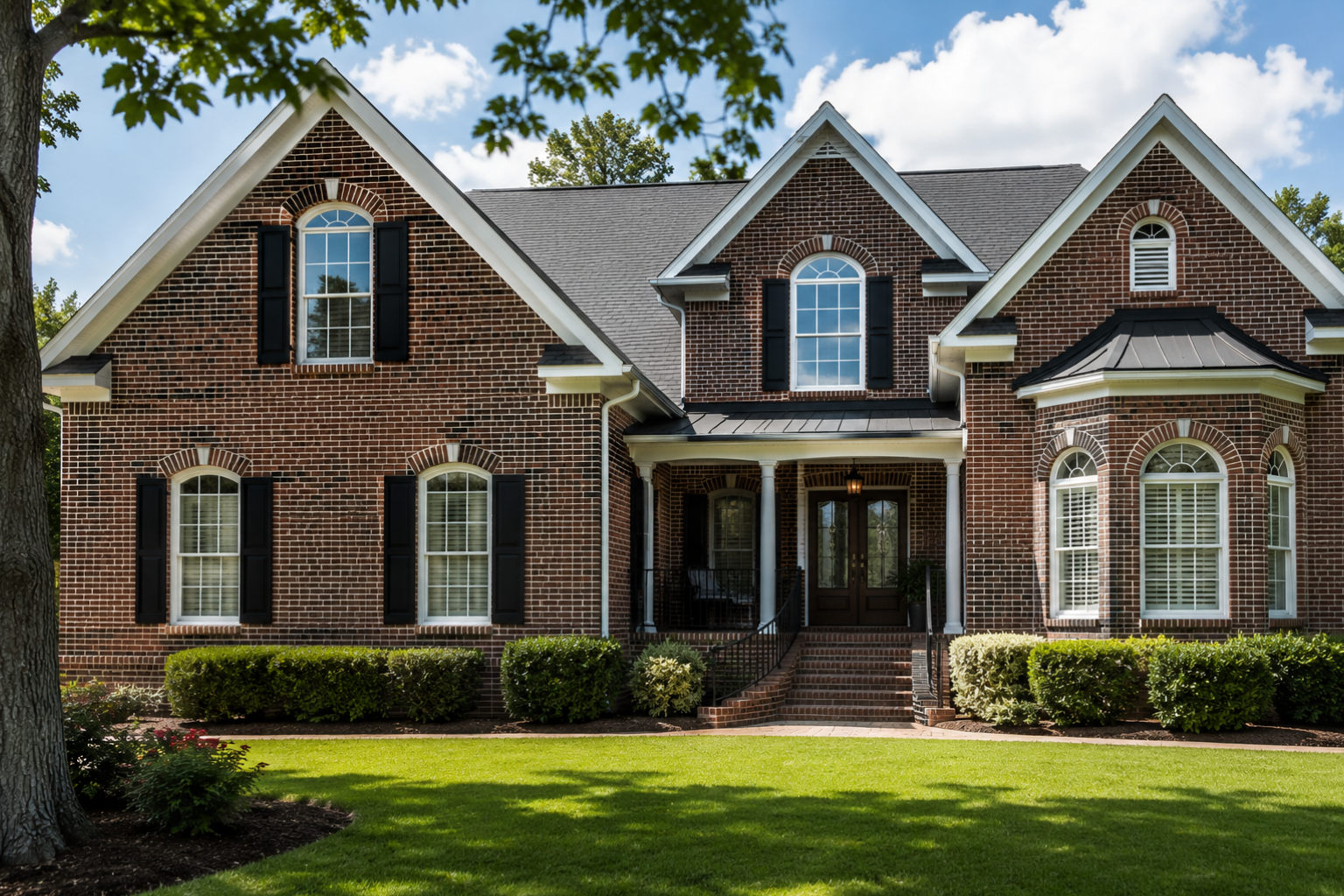
Alabama Brick TeamWhite or cream mortar with traditional red or dark brick is a classic combination that has been in use for centuries. The bright joint color makes each brick read individually and clearly, creating a crisp, well-defined pattern. It gives brick walls a freshness and brightness that warmer or darker mortars do not.
It is the most popular choice for Colonial Revival and traditional brick homes, and it works especially well on exteriors where you want the home to feel well-lit and welcoming from the street. The trade-off is maintenance — white and cream mortar shows efflorescence and staining more readily than mid-toned options.
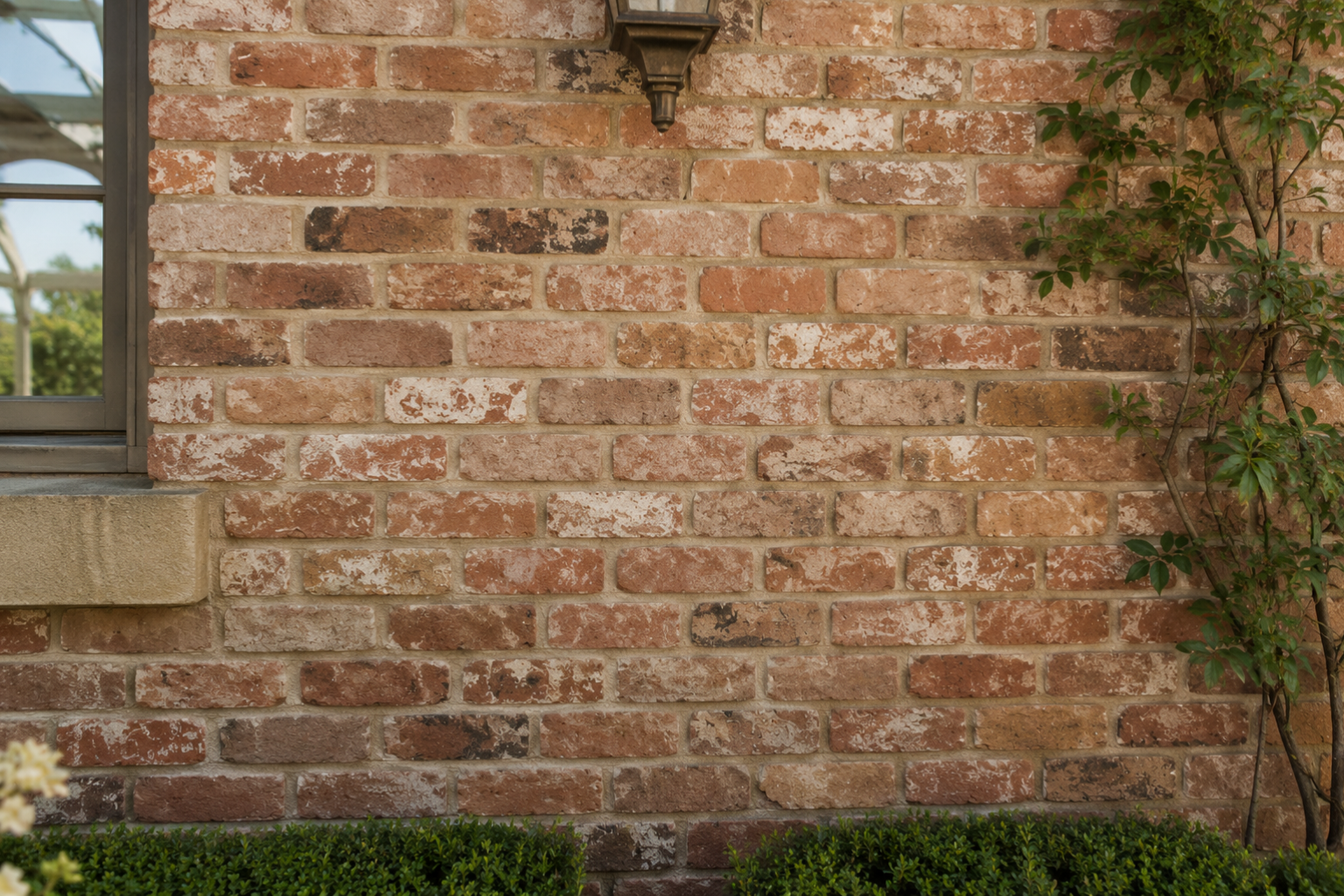
Weathered mortar finishes — typically in warm tans, earthy browns, and muted buffs with intentional variation — are designed to make new brickwork look like it has been in place for generations. Paired with tumbled or reclaimed brick, the effect is remarkably convincing and genuinely beautiful.
This is the approach for cottage-style homes, English country architecture, and renovation projects where new construction needs to read as old. It also suits interior applications like wine rooms, home bars, and basement spaces where a lived-in, historic feel is the goal.
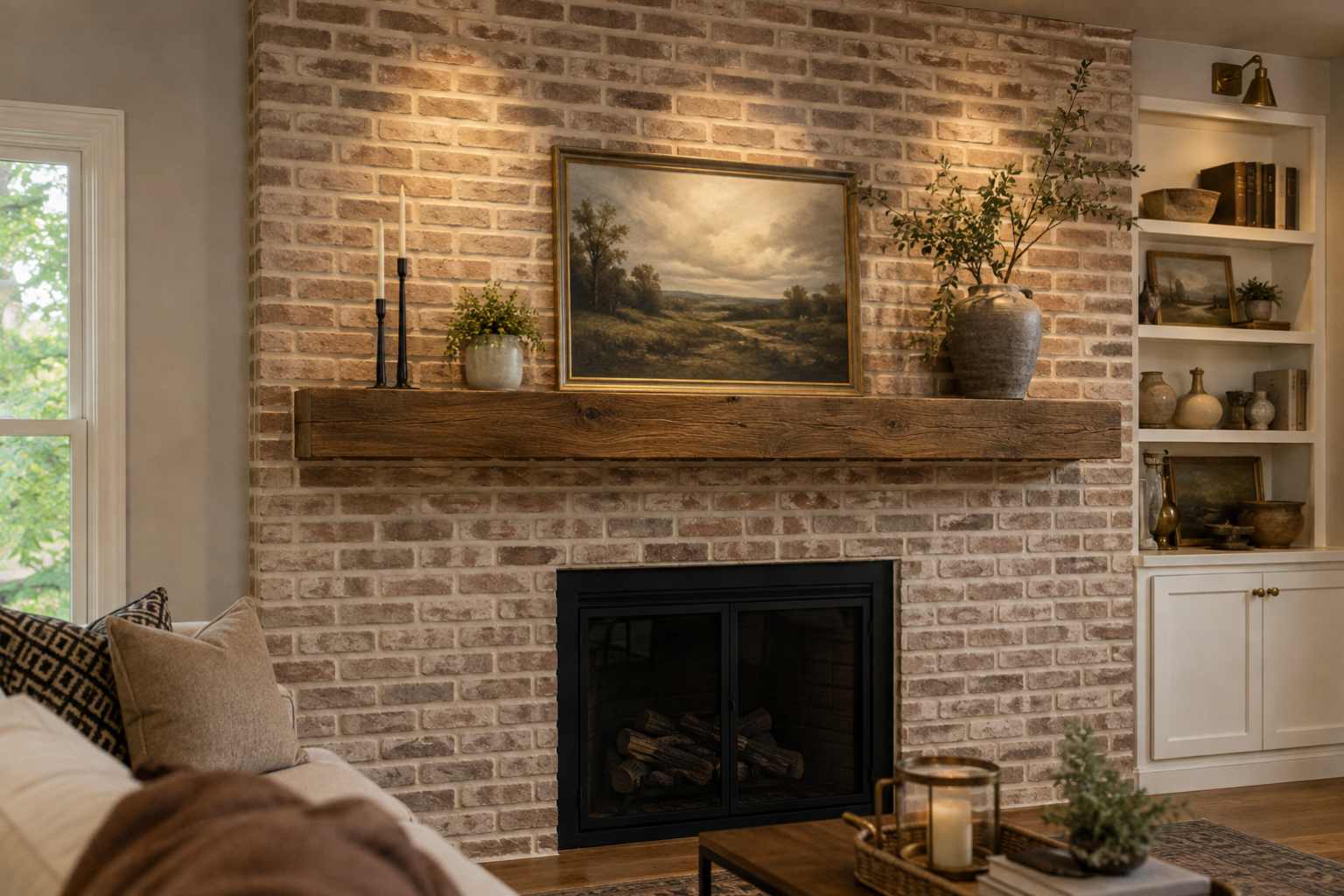
Warm grays, soft taupes, and muted sand tones sit in the middle of the mortar color spectrum — and they tend to be the most forgiving choice for almost any application. They offer gentle contrast without the starkness of white or the drama of charcoal, they age gracefully, and they work across a wide range of brick colors and architectural styles.
Mid-tones also tend to be the most practical from a maintenance standpoint. They hide everyday dust and minor staining better than white mortar, and they do not show the white efflorescence deposits that can appear on darker mortars. If you are genuinely unsure where to land, a mid-tone buff or warm gray is rarely the wrong answer.
Mortar Color and Maintenance — the Practical Truth
This is the part of the conversation that tends to get left out — and it is worth having before you make a final decision, especially for high-use applications like kitchen backsplashes, outdoor spaces, and entry areas.
- White and very light mortars look crisp and fresh when new. In high-traffic or high-grease areas — kitchens, mudrooms, outdoor kitchens — they can discolor over time and require more regular cleaning to maintain their appearance.
- Dark mortars handle everyday dirt well but can show efflorescence — the white, powdery mineral deposits that sometimes appear on masonry surfaces — more visibly than lighter tones. They may also highlight lighter-colored stains.
- Mid-tone mortars — warm taupes, buffs, and soft grays — offer the most practical middle ground. They hide routine wear, age naturally, and rarely require intensive cleaning to stay presentable.
- Outdoor applications deserve extra attention to mortar color because weather, moisture, and UV exposure affect mortar more aggressively than interior installations. Choose a quality mortar mix rated for exterior exposure and ask about sealants where appropriate.
How to Make the Decision Confidently
Never judge mortar color from the dry powder alone.
Mortar changes color as it cures — sometimes dramatically. A dark charcoal powder can cure to a medium gray. A cream powder can dry lighter than you expected. The only reliable way to evaluate mortar color is to look at a cured sample on the actual brick you have selected, in the actual light of your project location. We can help you build a sample panel. It is worth the extra step every time.
- Choose brick and mortar together, not sequentially. The two selections interact with each other in ways that are hard to anticipate separately. Bring your brick sample when you are reviewing mortar options — always.
- Look at samples in different light conditions. A mortar that reads as warm and creamy in showroom lighting can look stark and cool in direct Alabama afternoon sun. View your samples outside, at different times of day, before committing.
- Consider the joint profile too. A flush joint and a raked joint with the same mortar color will look different because of how they catch and reflect light. Your mason can show you the options — it is worth discussing before work begins.
- Remember that mortar is permanent. Tuckpointing — removing and replacing mortar joints — is possible, but it is labor intensive, expensive, and rarely achieves a perfect match to the original. Make the decision carefully the first time.
Come Talk Through It With Us
Mortar color selection is one of the most common places we see good projects go slightly sideways — not because of bad taste, but because it gets treated as a minor decision when it is actually a significant one. We have seen it enough times that we make a point of raising the conversation with every customer who comes in for brick.
At Alabama Brick, we can show you brick and mortar combinations side by side, help you build a sample panel to evaluate on your actual project, and share what we have seen work — and not work — across decades of projects in Alabama's specific climate and architecture. That kind of local, hands-on knowledge is hard to get from a website. Come get it in person.
Let's Get the Whole Picture Right
Visit Alabama Brick to explore brick and mortar combinations side by side — with a team that has been helping homeowners and builders make great decisions for over 50 years.
Visit Alabama Brick Today
Leave a Comment